


Used Coffee Bean Shop Grinders
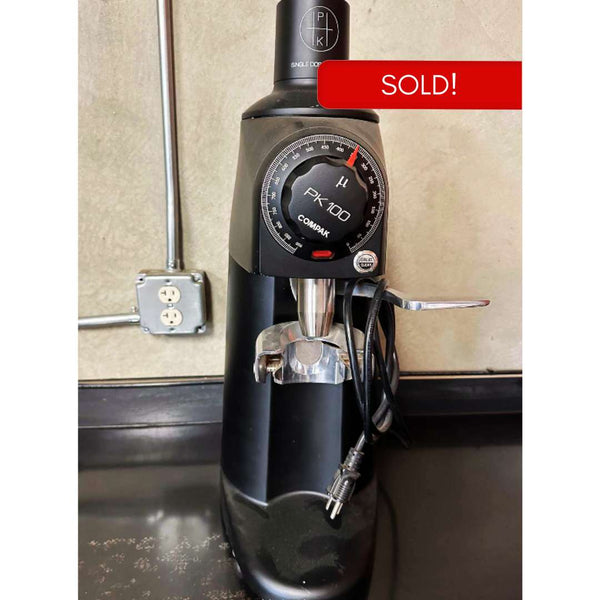
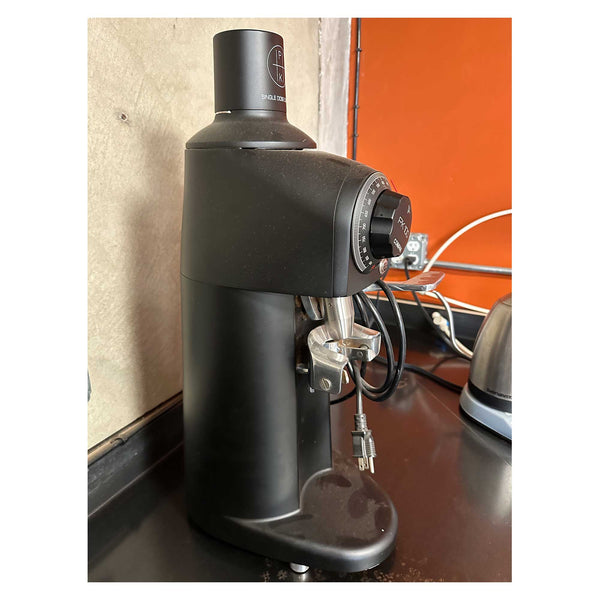
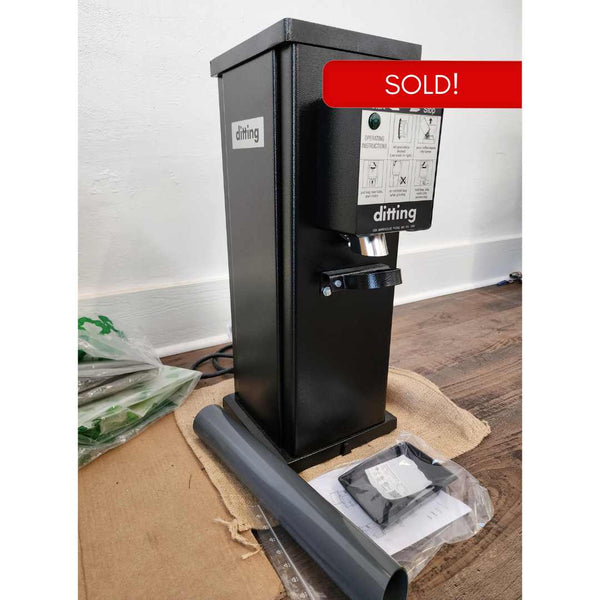
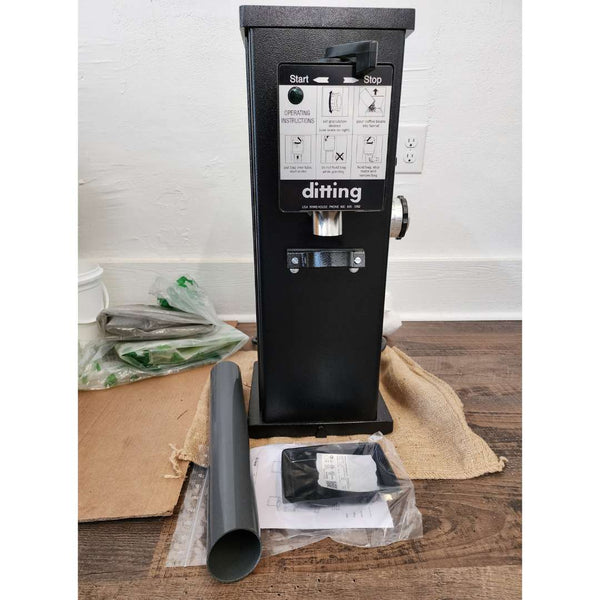
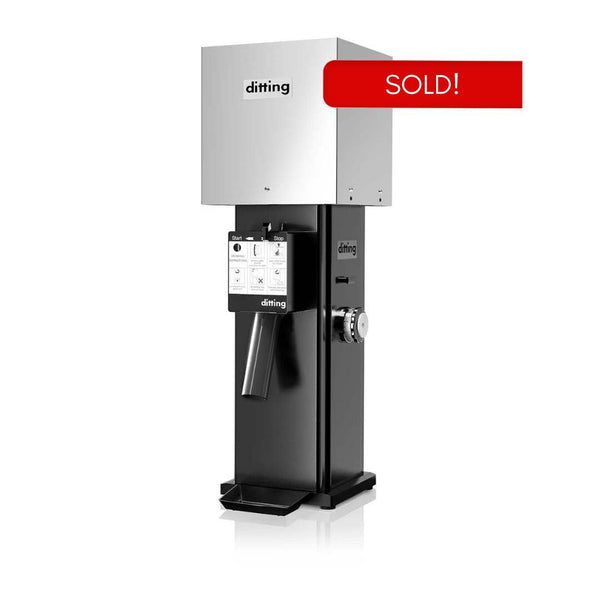
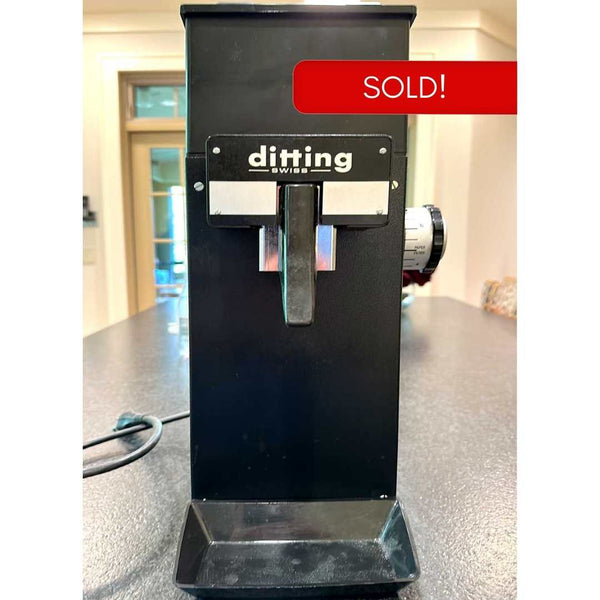
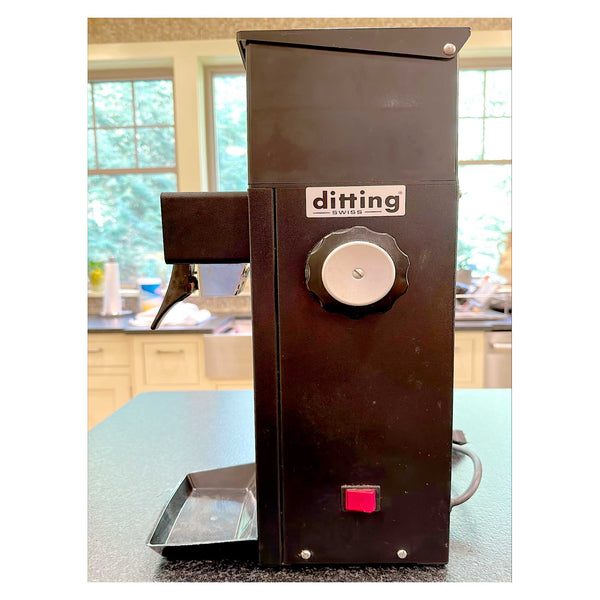
Our collection of shop bean grinders is known for their precision and ability to produce a uniform grind, essential for achieving optimal flavor extraction during the brewing process. They include adjustable settings to control the grind size, allowing you to fine-tune the grind size for different brewing methods.
Frequently Asked Questions
Can a coffee destoner improve coffee quality?
Yes. Removing foreign material helps ensure a cleaner, more consistent final product.
Do small roasteries need a coffee destoner?
Not always—but as production grows, the risk (and cost) of contamination makes it a smart addition.
What does a coffee destoner remove?
A coffee destoner removes stones, metal fragments, and other dense contaminants from roasted coffee beans.
What does a coffee afterburner do?
A coffee afterburner reduces smoke, odor, and VOC emissions by burning them off before they exit the roastery.
Is a coffee afterburner required?
In many cities, yes—especially for larger roasters or urban locations. Always check local regulations.
What’s the difference between thermal and catalytic afterburners?
Thermal units use higher heat; catalytic units use a catalyst to lower the required temperature. Both aim to reduce emissions.