


Used Afterburner Alternatives for Roasters
What Is a Coffee Afterburner (And Do You Really Need One)?
If you’ve spent any time around a production roastery, you’ve probably heard the term coffee afterburner come up—usually right alongside words like permits, emissions, or neighbors complaining about smoke.
At its core, a coffee afterburner is about one thing: cleaning up what comes out of your roaster.
What a Coffee Afterburner Actually Does
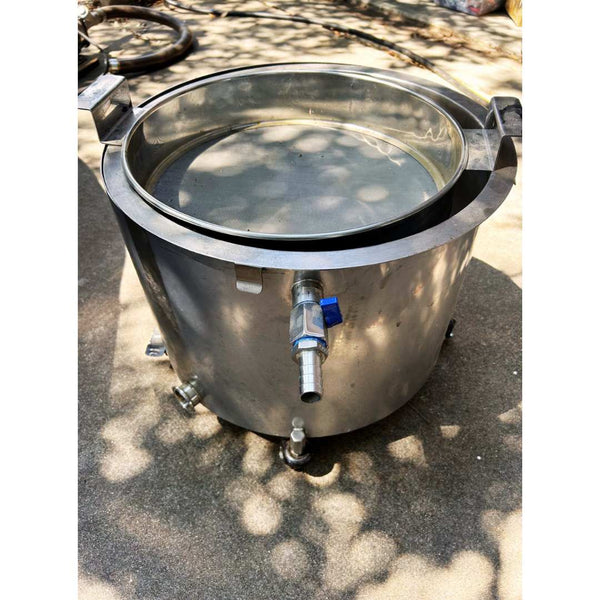
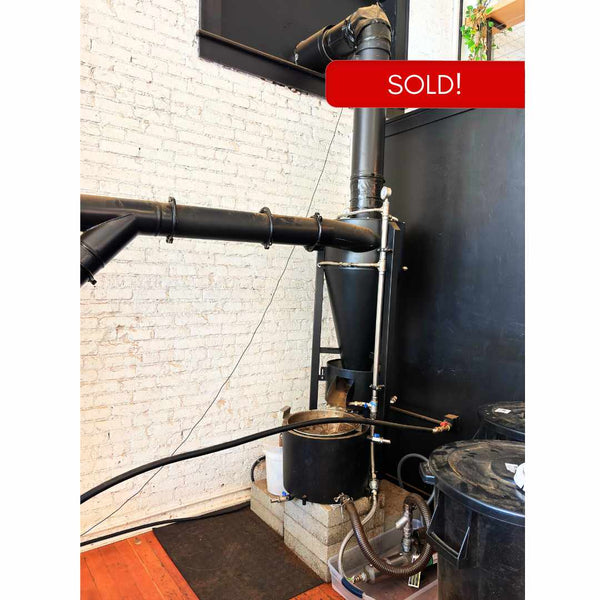
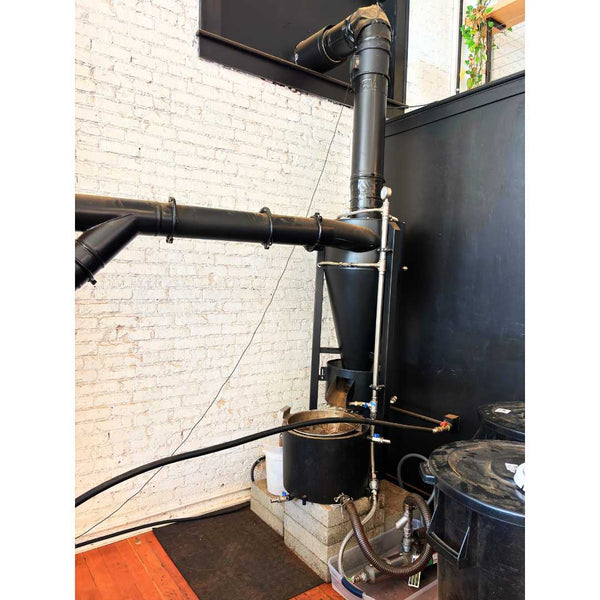
During roasting, your machine produces smoke, odors, and volatile organic compounds (VOCs). That’s just part of the process. A coffee afterburner is designed to burn off those emissions before they exit your stack.
It takes the exhaust air from your roaster, heats it to a very high temperature, and essentially “reburns” the smoke and compounds—leaving you with a much cleaner output.
Why Roasteries Use Coffee Afterburners
For some operations, it’s not optional—it’s required.
A well-sized coffee afterburner helps you:
-
Meet local air quality and environmental regulations
-
Significantly reduce visible smoke and odor
-
Keep neighbors (and landlords) happy
-
Maintain a cleaner, more professional operation
If you’re roasting in an urban or mixed-use space, this quickly moves from “nice to have” to “non-negotiable.”
How a Coffee Afterburner Works
Most systems fall into two categories: thermal or catalytic.
-
Thermal afterburners use high heat to combust emissions
-
Catalytic afterburners use a catalyst to achieve similar results at lower temperatures
In both cases, the goal is the same: break down smoke and VOCs before they leave your facility.
Do You Need a Coffee Afterburner?
It depends on three things:
-
Your local regulations
-
Your roast volume
-
Your location (industrial vs. urban setting)
If you’re running higher volumes or operating near residential areas, chances are you’ll need one—or will eventually.
Final Thought
A coffee afterburner doesn’t make your coffee taste better. But it does make your operation sustainable, compliant, and scalable.
And in this industry, that matters just as much.

Frequently Asked Questions
Can a coffee destoner improve coffee quality?
Yes. Removing foreign material helps ensure a cleaner, more consistent final product.
Do small roasteries need a coffee destoner?
Not always—but as production grows, the risk (and cost) of contamination makes it a smart addition.
What does a coffee destoner remove?
A coffee destoner removes stones, metal fragments, and other dense contaminants from roasted coffee beans.
What does a coffee afterburner do?
A coffee afterburner reduces smoke, odor, and VOC emissions by burning them off before they exit the roastery.
Is a coffee afterburner required?
In many cities, yes—especially for larger roasters or urban locations. Always check local regulations.
What’s the difference between thermal and catalytic afterburners?
Thermal units use higher heat; catalytic units use a catalyst to lower the required temperature. Both aim to reduce emissions.