


Used Coffee Bean Destoners
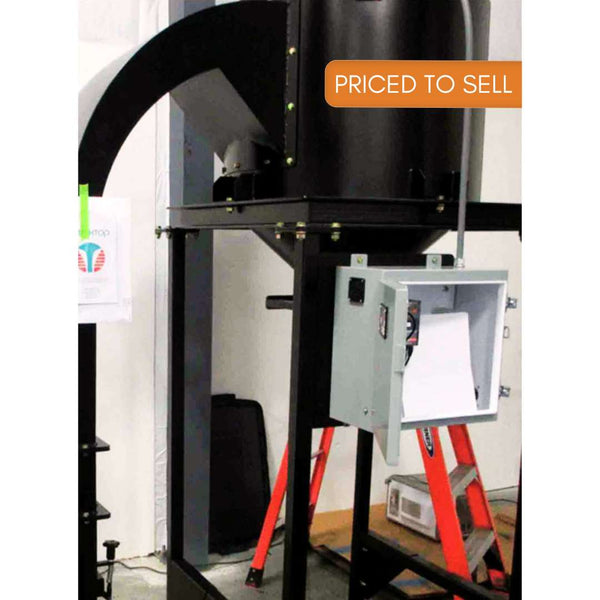
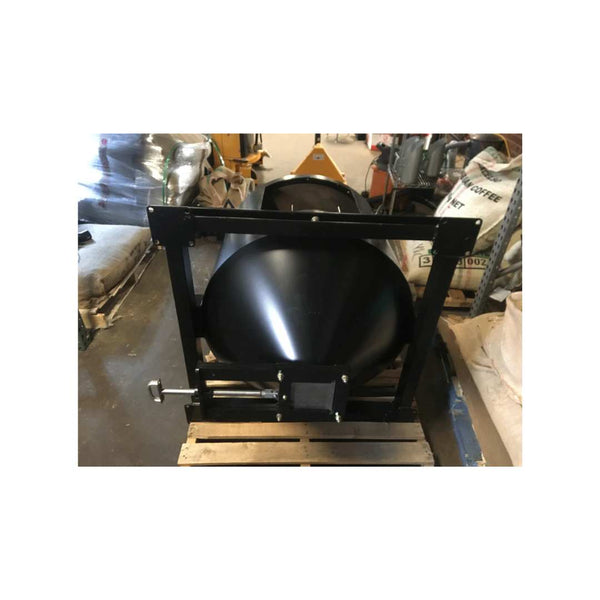
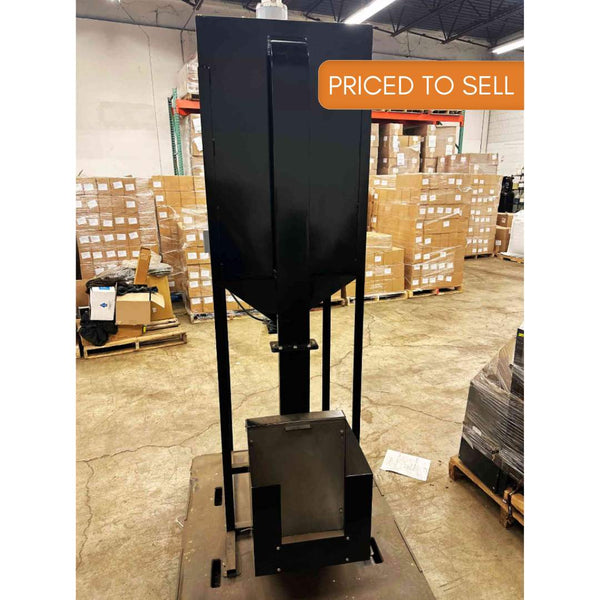
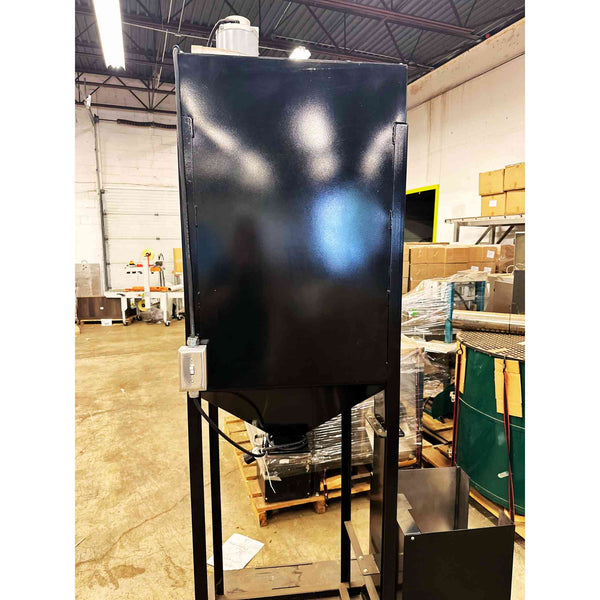
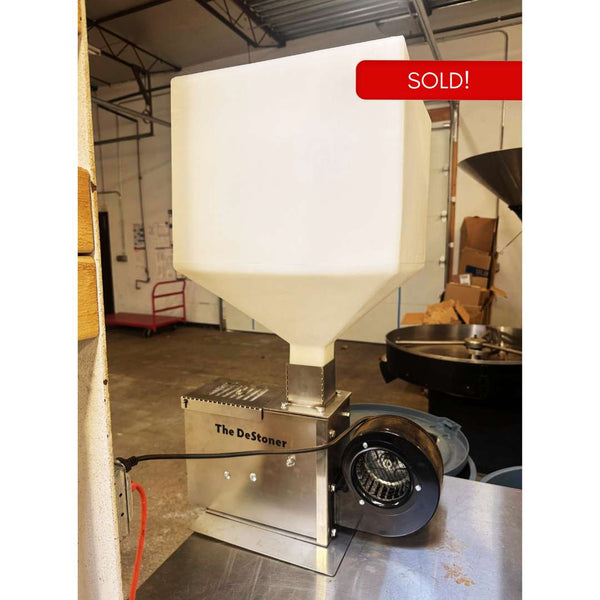
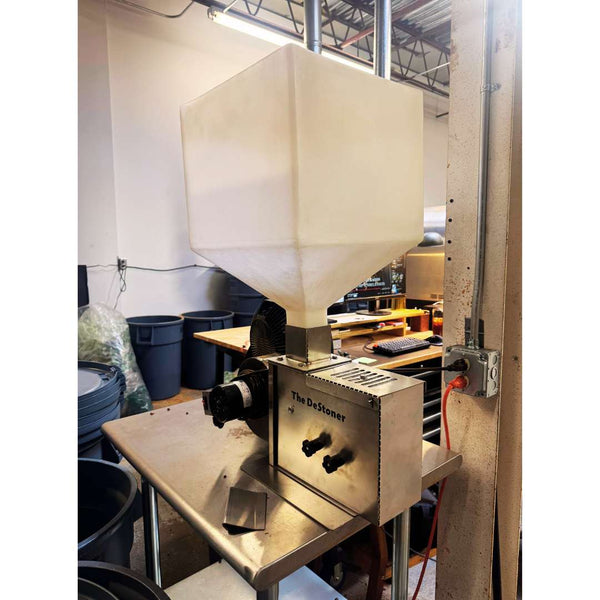
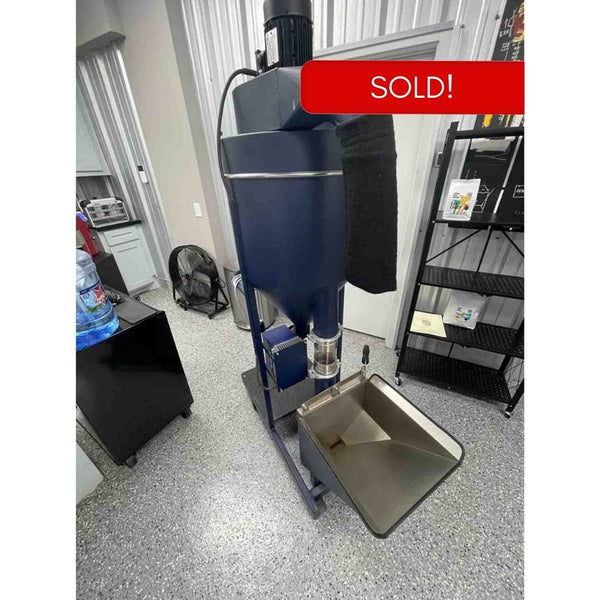
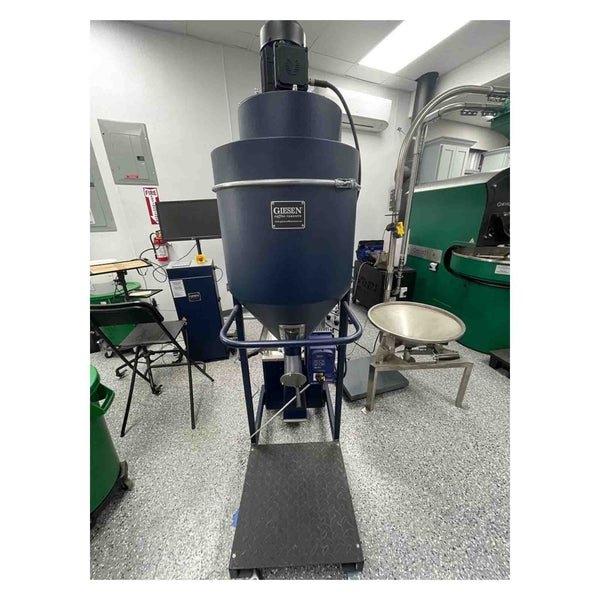
Beans can get contaminated in coffee production despite sorting efforts. A destoner is crucial, and there are two main types: traditional (60% success rate) and fluid-bed (nearly 100% success rate). We recommend AAE DeStoners (fluid-bed) for their efficiency in safeguarding roasting equipment and enhancing coffee quality—ensuring a consistent, superior flavor profile for your customers.
What Is a Coffee Destoner (And Why It Matters More Than You Think)
It’s not the flashiest piece of equipment in a roastery—but a coffee destoner might be one of the most important.
Because all it takes is one small stone in your roasted coffee to cause a very expensive problem.
What a Coffee Destoner Does
A coffee destoner removes dense foreign material—like stones, metal fragments, or debris—from roasted coffee beans.
Even with high-quality green coffee, small contaminants can slip through. Once roasted, they’re hard to spot—but very easy to send straight into your grinder.
That’s where damage happens.
Why Coffee Destoners Are Worth It
A properly set up coffee destoner helps you:
-
Protect grinders and downstream equipment
-
Prevent costly repairs and downtime
-
Improve overall product quality
-
Deliver a cleaner, more consistent final product
It’s one of those machines you don’t think about—until you really wish you had one.
How a Coffee Destoner Works
It’s a smart, simple system.
A coffee destoner uses a combination of airflow and vibration to separate materials by density:
-
Lighter roasted coffee beans are lifted and move in one direction
-
Heavier objects (like stones) fall out and are collected separately
No guesswork. No sorting by hand. Just reliable separation.
When Should You Add a Coffee Destoner?
If you’re doing any kind of consistent production, it’s worth serious consideration.
Especially if you:
-
Roast at higher volumes
-
Supply wholesale or retail at scale
-
Want to protect expensive grinding equipment
For many roasteries, a coffee destoner becomes standard equipment pretty quickly.
Final Thought
A coffee destoner isn’t about efficiency—it’s about protection.
Protection for your equipment. Protection for your product. Protection for your reputation.
And that’s a pretty solid return on investment.


Frequently Asked Questions
Can a coffee destoner improve coffee quality?
Yes. Removing foreign material helps ensure a cleaner, more consistent final product.
Do small roasteries need a coffee destoner?
Not always—but as production grows, the risk (and cost) of contamination makes it a smart addition.
What does a coffee destoner remove?
A coffee destoner removes stones, metal fragments, and other dense contaminants from roasted coffee beans.
What does a coffee afterburner do?
A coffee afterburner reduces smoke, odor, and VOC emissions by burning them off before they exit the roastery.
Is a coffee afterburner required?
In many cities, yes—especially for larger roasters or urban locations. Always check local regulations.
What’s the difference between thermal and catalytic afterburners?
Thermal units use higher heat; catalytic units use a catalyst to lower the required temperature. Both aim to reduce emissions.